
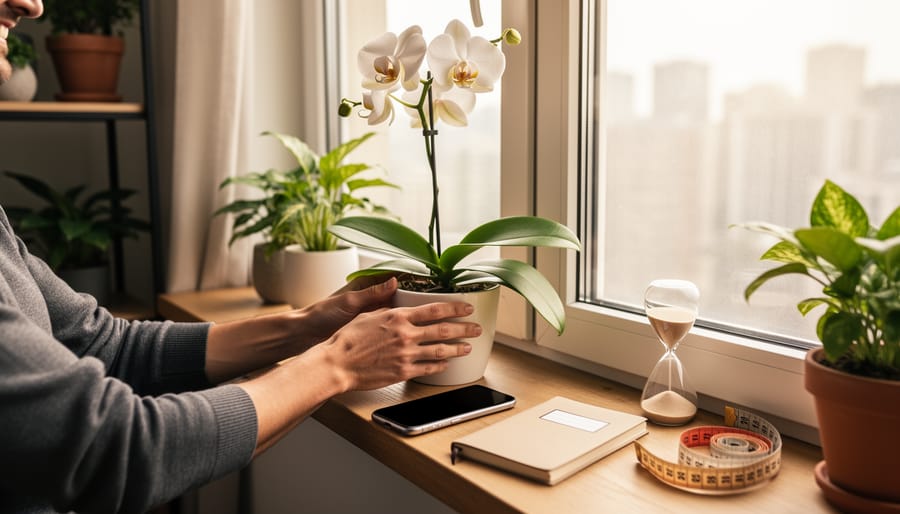
How to Practice Responsible Online-Casino Play as a Plant Enthusiast
Responsible online casino play for plant enthusiasts means setting strict time and money limits before you begin, treating gambling as brief entertainment rather than income, and always prioritizing your gardening budget and care schedule. The same patience and planning that help you nurture thriving orchids or maintain a consistent watering routine apply perfectly to recreational gaming. If you budget 30 minutes and $20 for Moonbet Originals on a Saturday evening after your weekend plant check, you’re practicing the discipline that already serves your indoor jungle well.
The connection runs deeper than you might think. Plant parents excel at delayed gratification, understanding that a monstera won’t unfurl a new leaf overnight and that soil amendments pay off over months, not minutes. This mindset is exactly what responsible gambling requires, yet many gardeners fall into the trap of chasing losses or extending sessions when they wouldn’t dream of overwatering their fiddle-leaf fig three days in a row.
This guide walks you through setting up gambling boundaries that mirror your plant care routines: establishing fixed budgets the way you allocate funds for potting mix and fertilizer, scheduling play windows that don’t interfere with morning watering, and recognizing warning signs as quickly as you’d spot spider mites. You’ll learn practical tools to automate limits, questions to ask before each session, and verification steps to ensure your hobby stays healthy. Think of it as companion planting for your downtime, where two interests can coexist without one choking out the other.
What You’ll Need: Tools and Mindset for Responsible Play
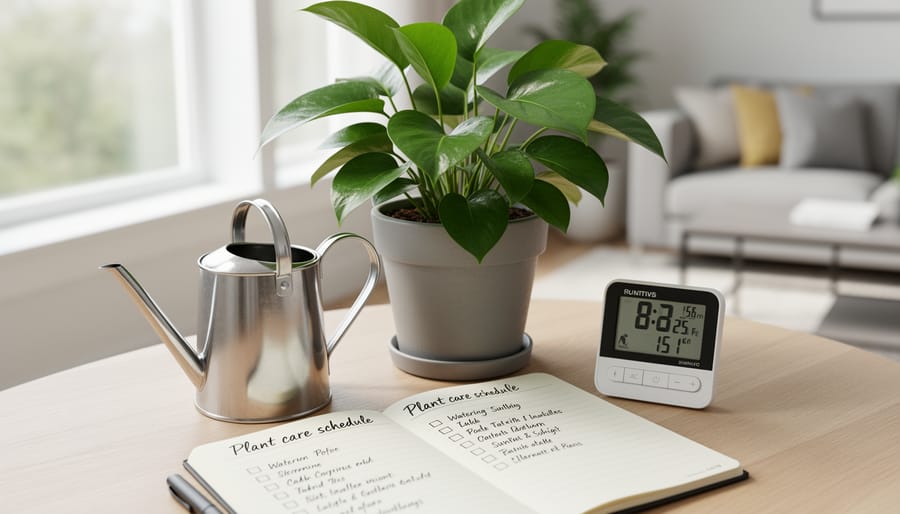
Before you play your first hand, gather the right tools, just as you’d never start a garden without soil, pots, and a watering can. Responsible online casino play requires its own essential kit, and assembling it now prevents problems later.
Start with a dedicated entertainment budget, completely separate from your household expenses and garden funds. Think of this money like fertilizer: you measure precisely, apply only what’s healthy, and never pour more than your plants can handle. Open a separate account or load a prepaid card with your monthly play allowance, making it physically impossible to dip into next month’s seed order or potting soil fund. When the card’s empty, you stop, no exceptions.
Time-tracking matters as much as money. Your plants need you at specific windows throughout the day: early morning watering before the sun peaks, evening checks for pests, weekend repotting sessions when roots demand space. Block these non-negotiable care times in a calendar first, treating them with the same respect you’d give a rare plant delivery or a garden club meeting. Only schedule play sessions in genuinely free slots, after your fiddle-leaf fig gets its weekly rotation, after you’ve deadheaded the balcony petunias.
Equip yourself with these practical resources:
- Budget tracker apps like Mint or YNAB to monitor entertainment spending separately from garden expenses
- Casino account limit features, deposit caps, loss limits, and session timers built into licensed platforms
- Calendar blocking tools (Google Calendar, paper planners) to protect plant care windows
- Self-exclusion registries like GamStop (UK) or state programs that lock you out if needed
- Support hotlines such as the National Council on Problem Gambling (1-800-522-4700) for confidential guidance
Most licensed online casinos in 2026 offer built-in limit tools. Activate these before your first bet, setting conservative boundaries you can tighten but never loosen impulsively. Consider them your guardrails, like stakes supporting a young tomato plant, they keep growth healthy and prevent collapse.
The right mindset completes your toolkit. Approach play with the same patience you bring to germinating seeds. You wouldn’t expect instant blooms, and you shouldn’t chase instant wins. Entertainment is the goal, not profit.
Recognizing Warning Signs: When Play Becomes a Problem
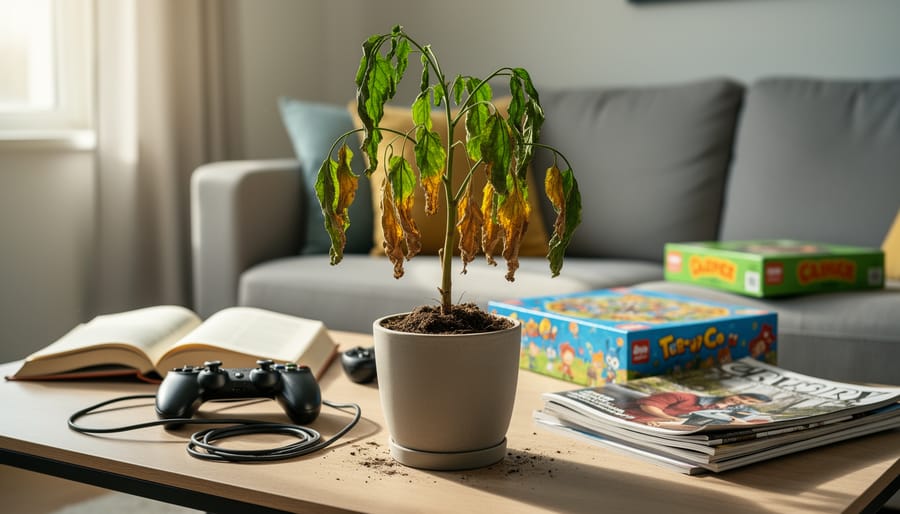
Just as gardeners learn to spot yellowing leaves or stunted growth before problems spiral, recognizing early warning signs in your casino play can help you course-correct before real harm occurs. These red flags demand the same immediate attention you’d give wilted plants on a hot afternoon.
The most telling indicator is neglect of your plant care routine. If you’ve missed morning watering sessions, skipped scheduled fertilizing, or forgotten to check moisture levels because you were playing or thinking about your last session, that’s a clear stop signal. Your plants don’t adapt to irregular schedules, and neither should your entertainment habits. When online play starts competing with the non-negotiable tasks that keep your garden thriving, it’s time to pause and reassess.
Financial crossover presents another critical warning. Dipping into funds set aside for potting soil, seeds, or new plants to extend a play session means your budget boundaries have failed. This is similar to root problems what’s happening beneath the surface will eventually show above ground. If you’ve rationalized “borrowing” from your garden budget with plans to replace it later, or if you’re delaying necessary plant purchases because your entertainment fund ran dry early, you’re seeing symptoms of unhealthy play.
Behavioral shifts also matter. Lying to household members about how much time you’ve spent playing, becoming irritable when interrupted during sessions, or feeling anxious when you can’t access casino platforms all signal that play has shifted from recreation to compulsion. Chasing losses, continuing to play beyond your limits trying to recover what you’ve lost, mirrors the mistake of over-fertilizing struggling plants, hoping more input will fix the problem when the real issue lies elsewhere.
Sleep disruption deserves particular attention because sleep loss harms cognition and physical energy, both essential for successful gardening. If you’re staying up late playing or waking early obsessing over previous sessions, you’ll lack the focus needed to test your soil spot pest damage, or make sound pruning decisions. Gardening requires presence and alertness, traits undermined by exhaustion.
Treat these warning signs like pest infestations: early detection and swift action prevent widespread damage. Acknowledging a problem doesn’t mean failure; it demonstrates the same observational skills and willingness to adapt that make you effective with plants.
Step-by-Step: Building a Sustainable Play Routine
Step 1: Set Your Monthly Entertainment Budget
Start by listing everything that must be paid before you consider entertainment: rent or mortgage, utilities, groceries, transportation, insurance, and savings contributions. Then add your garden essentials. This includes potting mix, fertilizer, new plants, pots, tools, and any seasonal supplies like frost protection or grow lights. Total these monthly costs and subtract them from your income. What remains is discretionary money.
From that leftover amount, decide what percentage feels comfortable for online casino play. Most financial advisors suggest no more than 5-10% of discretionary income for any single entertainment category. Compare it to what you’d budget for hobbies you already enjoy. If you spend $50 monthly on houseplant apps, workshops, or dining out, your casino budget should fit that same scale.
Once you’ve set the number, enforce it with a physical boundary. Open a separate checking account exclusively for entertainment, or load a prepaid card with your monthly limit. When the account hits zero, you’re done until next month. No exceptions, no advances from next month’s budget, no dipping into the garden fund because you spotted a sale on succulents.
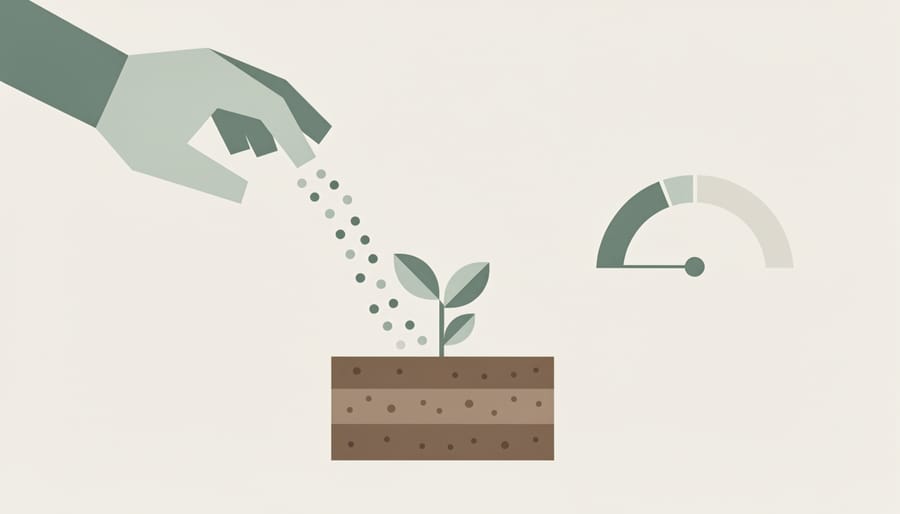
Step 2: Schedule Play Around Your Plant Care Calendar
Your plants operate on nature’s clock, not yours, and responsible play means honoring that reality. Before you even think about logging into a casino site, mark out every non-negotiable plant care window in your calendar or planner. Morning watering sessions, evening humidity checks, weekend repotting projects, and seasonal tasks like spring pruning or winter dormancy prep, these are fixed appointments with living things that depend on you.
Treat these blocks exactly as you would a scheduled garden tour or a plant swap meetup: they’re commitments you don’t break for entertainment. A wilting philodendron won’t wait because you’re mid-session, and a missed watering during a heat wave can undo months of careful growth.
Only after mapping your plant care rhythm should you identify genuinely free windows for play, ideally those calm stretches after your plants are watered, fed, and checked. Evening hours after garden tasks wrap up often work well. This sequencing ensures your hobby supports your lifestyle rather than competing with it, and you’ll enjoy play more knowing your green dependents are thriving.
Step 3: Use Casino Account Limits and Reality Checks
Licensed online casino platforms in 2026 offer built-in safeguards that work like garden timers or seed packet labels, tools that keep you on track automatically. Start by activating deposit limits in your account settings. Choose a monthly cap that matches your pre-set entertainment budget, then set a smaller weekly limit to prevent spending everything in one session. Think of this as measuring out fertilizer for the month rather than dumping the whole bag at once.
Next, enable loss limits. These stop play once you’ve lost a predetermined amount, similar to how frost warnings tell you to cover your seedlings before damage occurs. Set this conservatively, if losing fifty dollars would sting, make that your threshold.
Session time reminders act like the alarm you set for watering schedules. Configure alerts every thirty or sixty minutes. When the notification appears, check in: Are you still relaxed? Have you been ignoring your houseplants? These reality checks create natural pause points.
Many platforms also offer cooling-off periods or voluntary exclusion options. If you notice patterns that concern you, activate a temporary lockout. This removes temptation entirely, letting you refocus on your garden without internal struggle.
Step 4: Practice Mindful Play Sessions
Treat each play session the way you’d approach tending your plants: with intention and a clear plan. Before you log in, decide exactly how long you’ll play, set a timer if needed, and choose your exit criteria (a modest win to celebrate, a loss limit you won’t cross, or simply when time runs out). Don’t chase losses or play “just one more round” any more than you’d overwater a struggling plant hoping to revive it instantly. The patience you’ve cultivated waiting for seeds to sprout or watching a cutting root applies here too. Rushed decisions rarely serve you well in the garden or at the casino. If a session stops feeling relaxing, step away and return to something that genuinely restores you, whether that’s deadheading your roses, planning your therapy garden or simply sitting among your plants. Mindful play means recognizing when entertainment shifts into frustration and having the discipline to stop.
Step 5: Track and Reflect Weekly
At week’s end, carve out twenty minutes to review both your play log and garden journal side by side. This weekly check-in works the same way you’d assess whether your watering schedule needs tweaking or if a fertilizer is delivering results. Ask yourself three core questions: Did you honor your budget and time limits? Did any play sessions push back watering, repotting, or other plant tasks? How did you feel during and after each session, relaxed or anxious?
If you stuck to your plan and your plants thrived, you’re on track. If you notice slippage, say, you logged in “just for a few minutes” that became an hour, or postponed deadheading because you were mid-game, adjust immediately. Maybe your play windows are too close to garden time, or your session length needs tightening. Treat this reflection like pruning: catch small issues before they grow.
Consider keeping a simple checklist to streamline your weekly review:
- Confirm all play sessions stayed within your set budget and time limits
- Verify that no plant care tasks were delayed, skipped, or rushed because of play
- Note your emotional state during play, was it genuinely recreational or tinged with stress?
- Identify any moments you felt tempted to exceed limits and what triggered them
- Adjust next week’s schedule or limits based on what you learned
This habit builds accountability without judgment. If adjustments are needed, make them now rather than waiting for a bigger problem. Just as you’d shift a plant that’s not thriving in its current spot, move your play habits until they fit comfortably into your life without crowding out what matters most.
Verification and Next Steps: How to Know Your Approach Is Working
Check your progress the same way you’d assess a garden: look for healthy growth, no resource depletion, and sustainable routines. Your plants offer the clearest signal, if watering schedules slip, leaves yellow from neglect, or you postpone repotting because you’re glued to a screen, something’s off. Healthy habits mean your monstera still gets misted on time, your seedlings aren’t forgotten under grow lights, and you still feel excited to choose houseplants for that empty corner.
Your budget provides another concrete metric. Log into your dedicated play account or check your prepaid card balance weekly. If you’ve stayed within your monthly allocation without borrowing, dipping into garden funds, or feeling tempted to “just add a little more,” you’re on track. Conversely, if you’ve rationalized skipping a soil amendment purchase to fund another session, that’s a red flag requiring immediate attention.
Emotional state matters too. Responsible play should feel like unwinding with a podcast after pruning, pleasant, contained, optional. If you feel anxious when you can’t play, irritable when interrupted, or relieved rather than disappointed when sessions end, reassess. You should be able to close the app mid-session without internal struggle, the same way you’d step away from a half-weeded bed when dinner calls.
When verification reveals problems, act quickly. Reach out to support resources like the National Council on Problem Gambling or use your casino’s self-exclusion tools, many platforms in 2026 offer cooling-off periods from 24 hours to permanent bans. Consider returning entirely to gardening for a month or more, letting that grounding practice restore balance. Share your goals with trusted friends in gardening groups or online communities; accountability works. Fellow plant lovers understand discipline and can remind you what truly brings you joy.
Common Questions from Plant Lovers About Responsible Play
How much is too much to spend on online casino play?
A safe guideline is to treat casino play like any other leisure activity, no more than 5-10% of your discretionary income after covering essentials like rent, groceries, and garden supplies. If you find yourself skipping plant purchases, postponing needed tools, or dipping into savings to fund play, you’ve crossed into unhealthy territory.
Can I play while waiting for seedlings to sprout?
Short sessions during genuine downtime can work if you set strict time limits and don’t let them replace regular plant checks. Think of it like reading a gardening magazine between waterings, fine for 15-20 minutes, but it shouldn’t interfere with monitoring moisture levels or adjusting lighting.
What if I’ve already overspent on gambling?
First, acknowledge it without shame, gardeners know that mistakes happen and recovery is possible. Stop playing immediately, assess the damage to your budget, and redirect focus to your plants. Many platforms offer self-exclusion tools that lock your account for a set period, giving you space to reset just as you might let soil rest between plantings.
How do I explain my limits to friends who also play?
Be straightforward: “I keep my play budget separate from my garden fund, and I never compromise my plant care schedule.” Real friends will respect boundaries, much like they’d understand if you declined evening plans during your busiest growing season.
Is it okay to take breaks from playing entirely?
Absolutely. Taking a complete break is often the healthiest choice, especially during demanding garden seasons or if you’re working on financial garden resolutions. Many plant enthusiasts find that stepping away for weeks or months helps them rediscover whether they genuinely enjoy the activity or were falling into a compulsive pattern.
These questions reflect concerns that come up repeatedly in gardening communities where members balance multiple hobbies. Remember that asking for help or adjusting your approach shows the same self-awareness that makes you attentive to your plants’ changing needs. If you’re questioning whether your play habits are healthy, trust that instinct, it’s the same one that tells you when a plant needs less water or more light.
The patience you bring to nurturing seedlings, the discipline you practice when pruning, and the respect you show for natural growing cycles, these same qualities make you well-equipped to enjoy online casino entertainment responsibly. Just as you wouldn’t overwater a succulent or rush a tomato’s ripening, you can set clear boundaries around play that protect what matters most: your budget, your time, and your thriving garden.
Responsible play isn’t about perfection. It’s about intention. When you approach entertainment with the same thoughtfulness you apply to planning your garden beds, you create space for genuine relaxation without compromising the routines that keep your plants healthy. Your garden should always come first, those morning watering sessions, weekend repotting projects, and seasonal preparation tasks ground you in rhythms that no screen can replace.
If you’ve found a balance that works, celebrate it. If you’ve struggled, remember that adjusting course is part of growth, just like learning which plants thrive in your specific conditions. Treat entertainment as a complement to the deeper satisfaction you get from watching something grow under your care, not a substitute for it.
We’d love to hear from fellow plant lovers: how do you balance hobbies and downtime without letting either overtake your gardening passion? Share your strategies and experiences in the comments. Your approach might help someone else find their equilibrium, and together we can support each other in keeping our gardens, and ourselves, flourishing.